

Published 6th January 2026
6 minute read
Monetary Vaccine
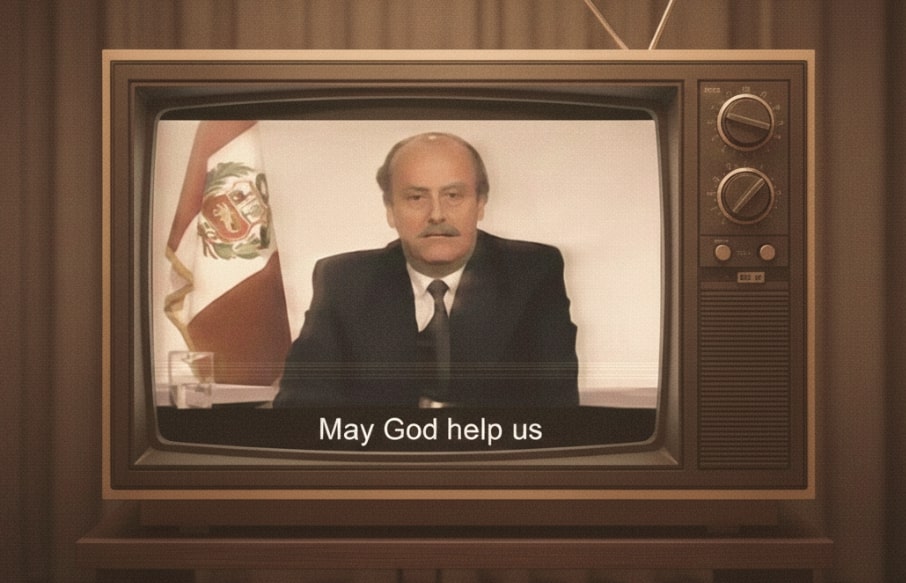
"Que Dios nos ayude." May God help us. These were the parting words of Economy Minister Juan Carlos Hurtado Miller in August 1990 as he announced what would later be called the "Fujishock," a drastic stabilisation programme designed to rescue Peru from the brink of total collapse.
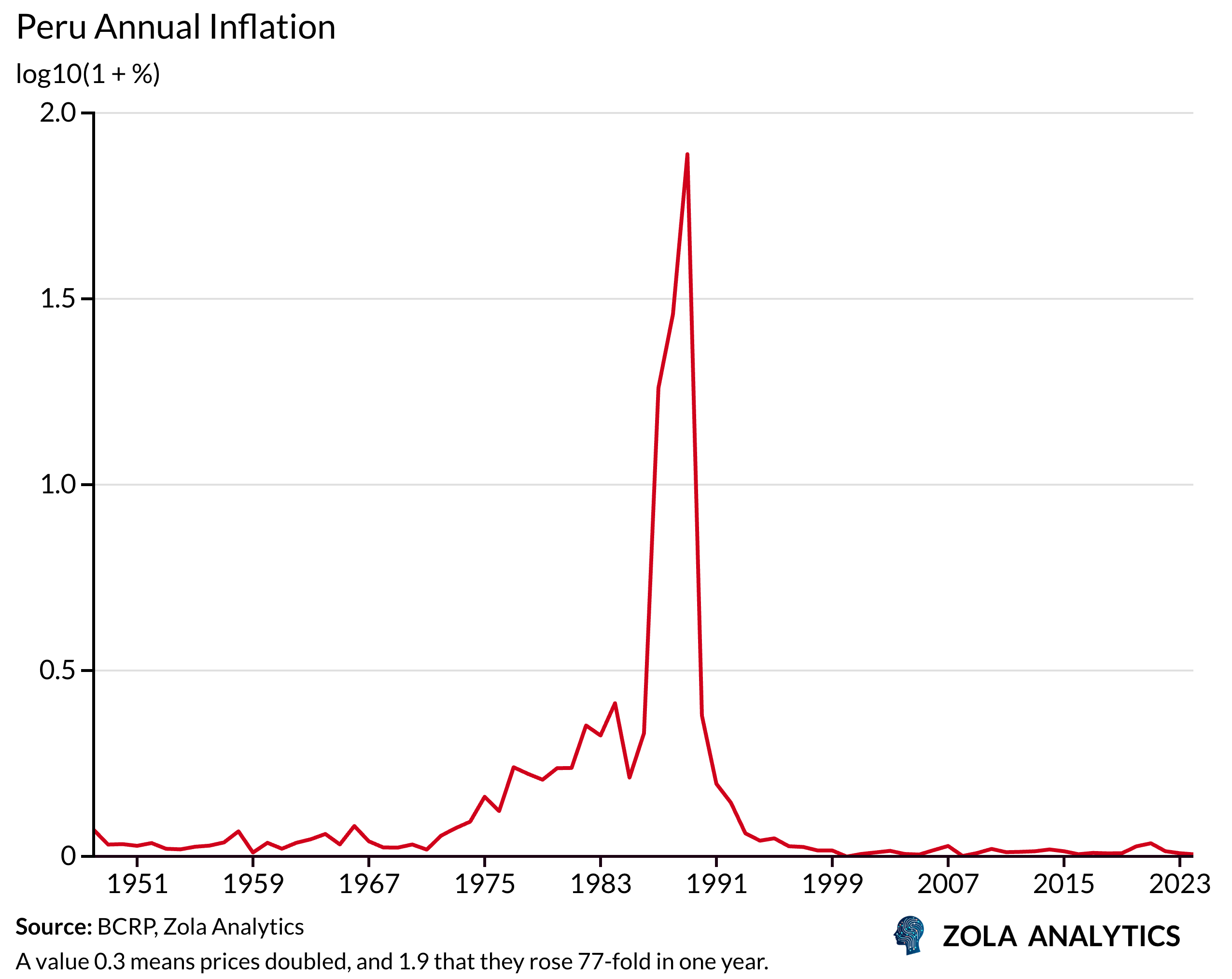
The 1980s had been the darkest period in modern Peruvian history, a lost decade defined by fiscal irresponsibility and the monetary financing of deficits that culminated in annual inflation of 7,650%. This era of chaos, where prices rose several times a day and families spent hours queuing for basic goods, left a lasting imprint on the nation's psyche and fostered an obsession with price stability that has lasted 35 years.
The turning point was codified in the 1993 Constitution, which established the absolute autonomy of the Central Reserve Bank of Peru and explicitly prohibited it from financing fiscal deficits. As Governor Julio Velarde describes it, this "monetary vaccine" effectively insulates the currency from the short-term pressures of political cycles, decoupling the Sol from the chaos of the presidential palace.
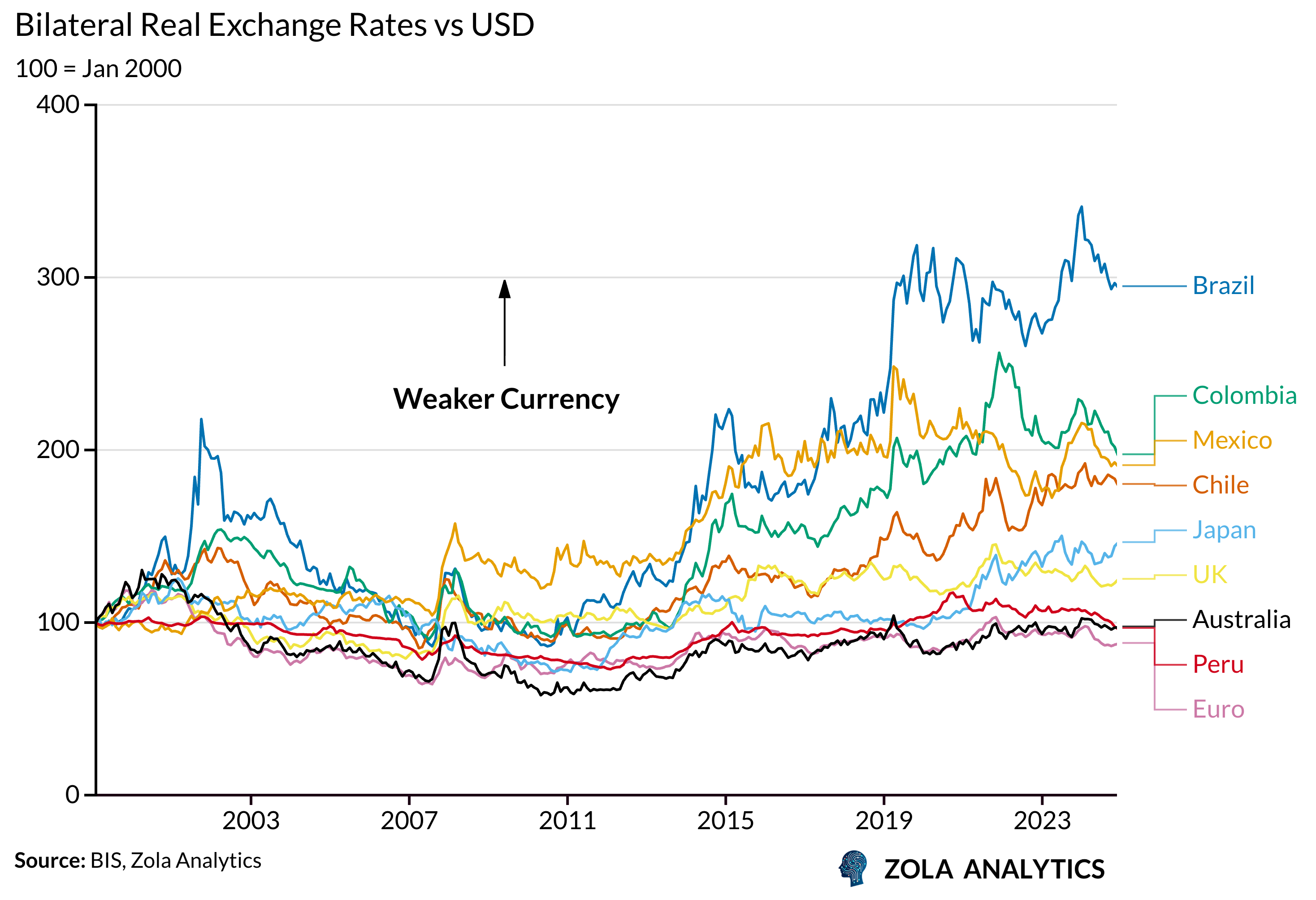
Since 1993, Peru has cycled through 12 presidents, each serving on average only half their constitutional term. In any other emerging economy, this revolving door would have sent the currency into freefall. The Sol, on the other hand, has appreciated.
The Immunity
The Peruvian Sol has consolidated its status as a hard currency, appreciating 3% against the dollar over the last quarter century while the Japanese Yen fell 45%, the Mexican Peso lost 94%, and the Brazilian Real collapsed by 194%. This resilience is not accidental. Record-high international reserves of USD 91.7 billion, equivalent to 30% of GDP, provide a financial cushion that absorbs political shocks before they reach the exchange rate.
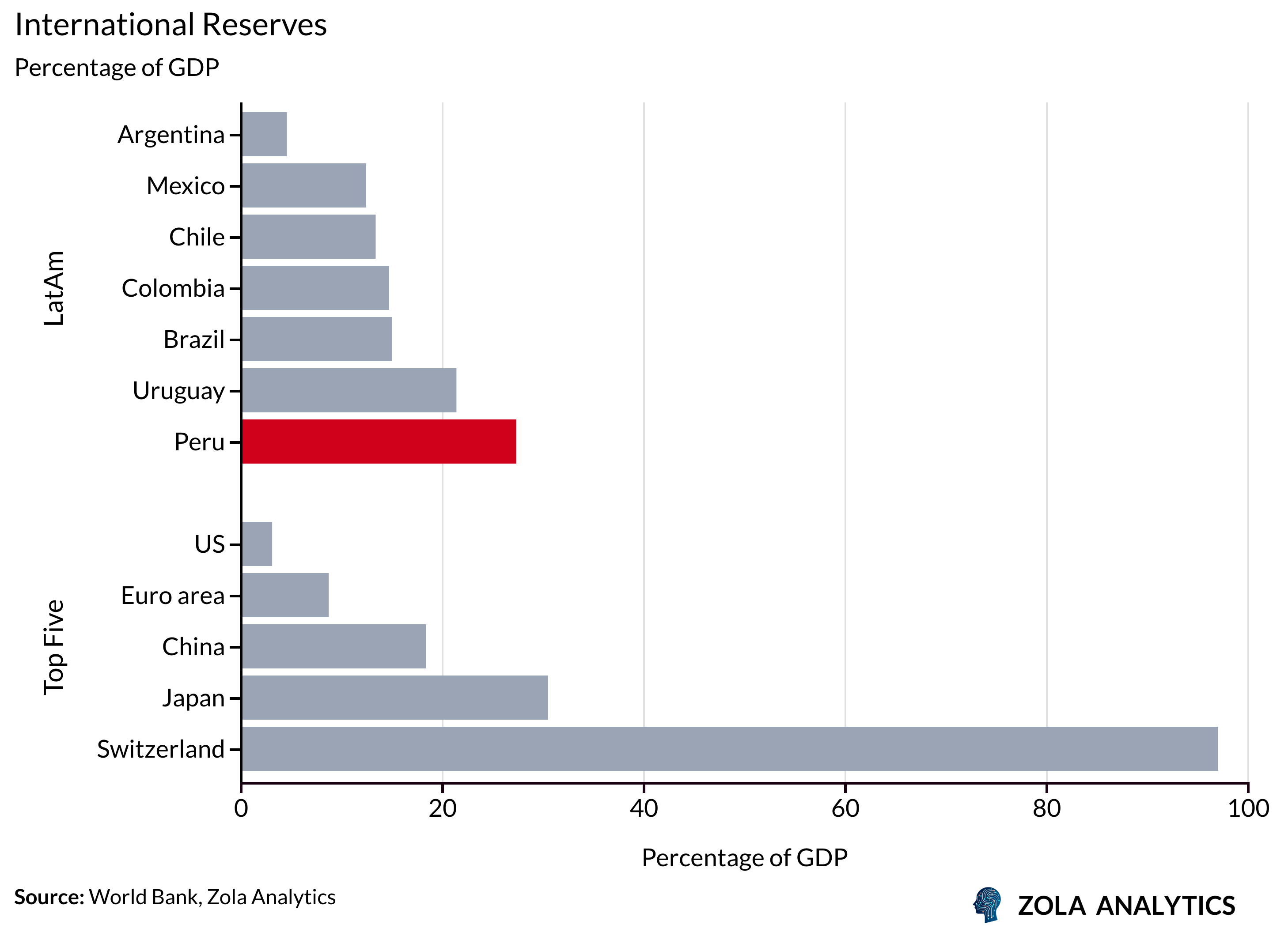
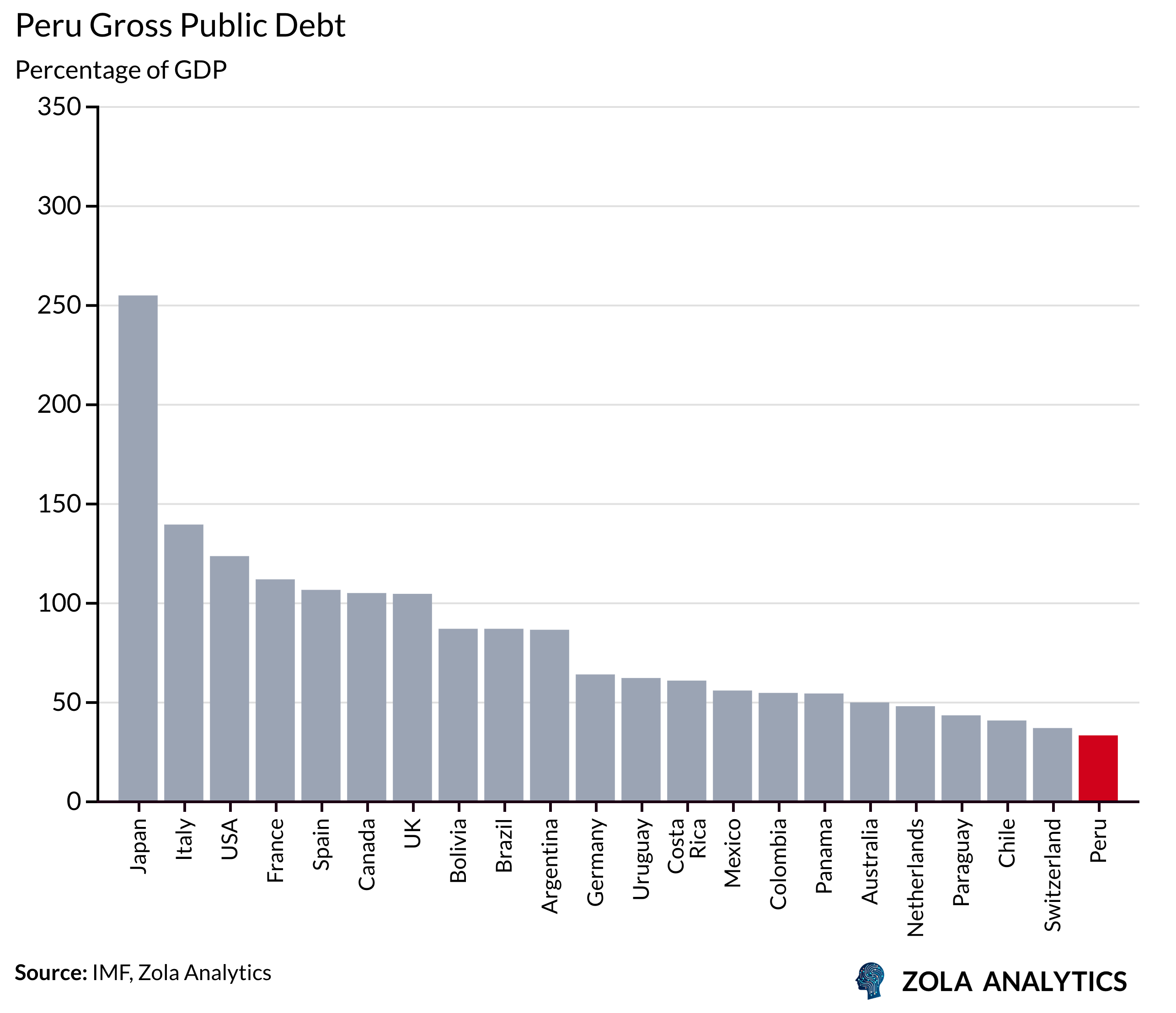
Those reserves remain untouched because Peru carries the lowest public debt in South America at 32% of GDP.
Yet macroeconomic stability has not translated into social progress.
Untreated
The gap is visible first in the labour market. Approximately seven out of ten workers remain trapped in the informal economy, excluded from social protection and formal credit.
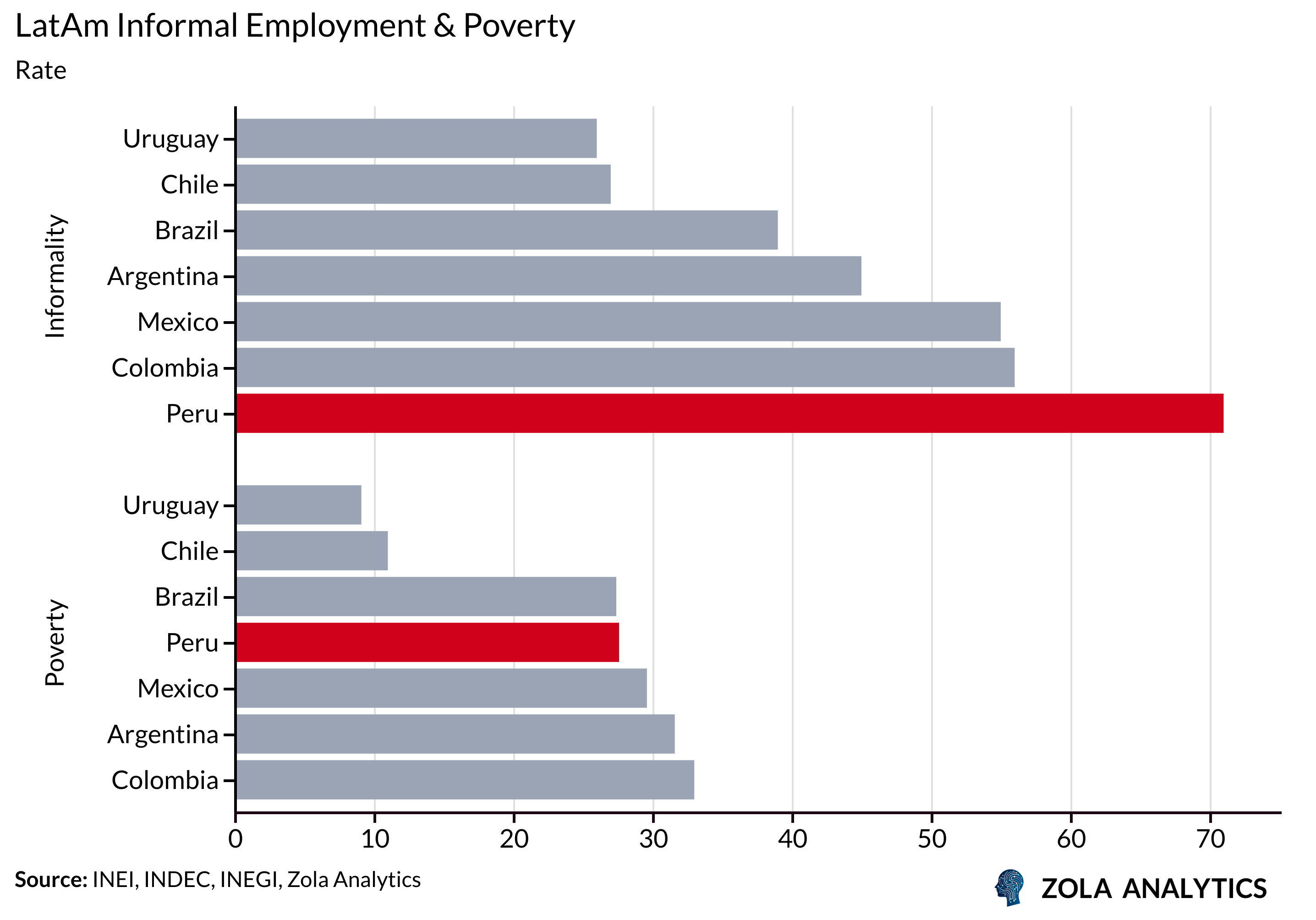
The World Bank's poverty measure for upper-middle-income countries reveals that 40% of Peruvians live on less than USD 8.30 a day, a figure that national metrics often obscure.
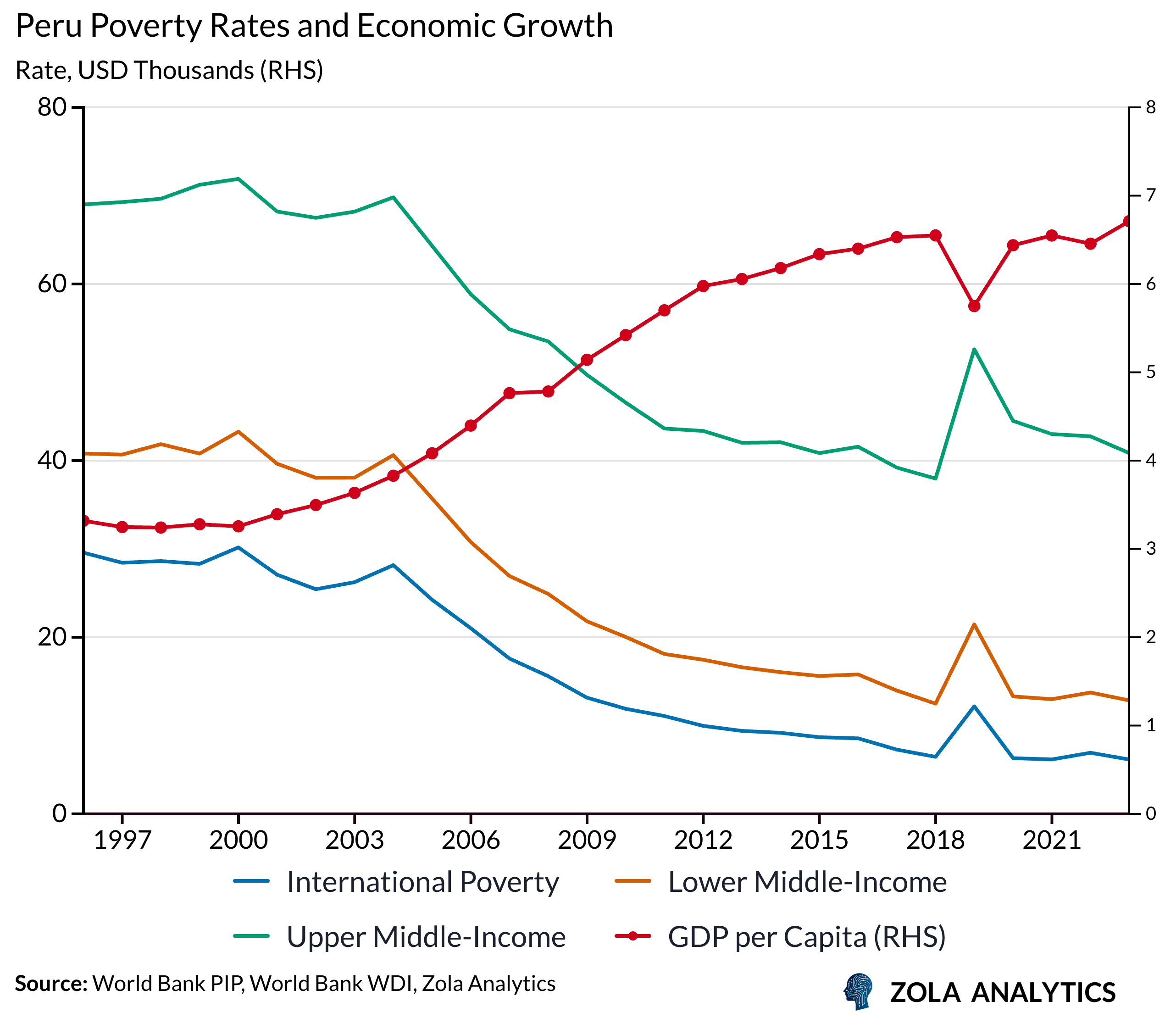
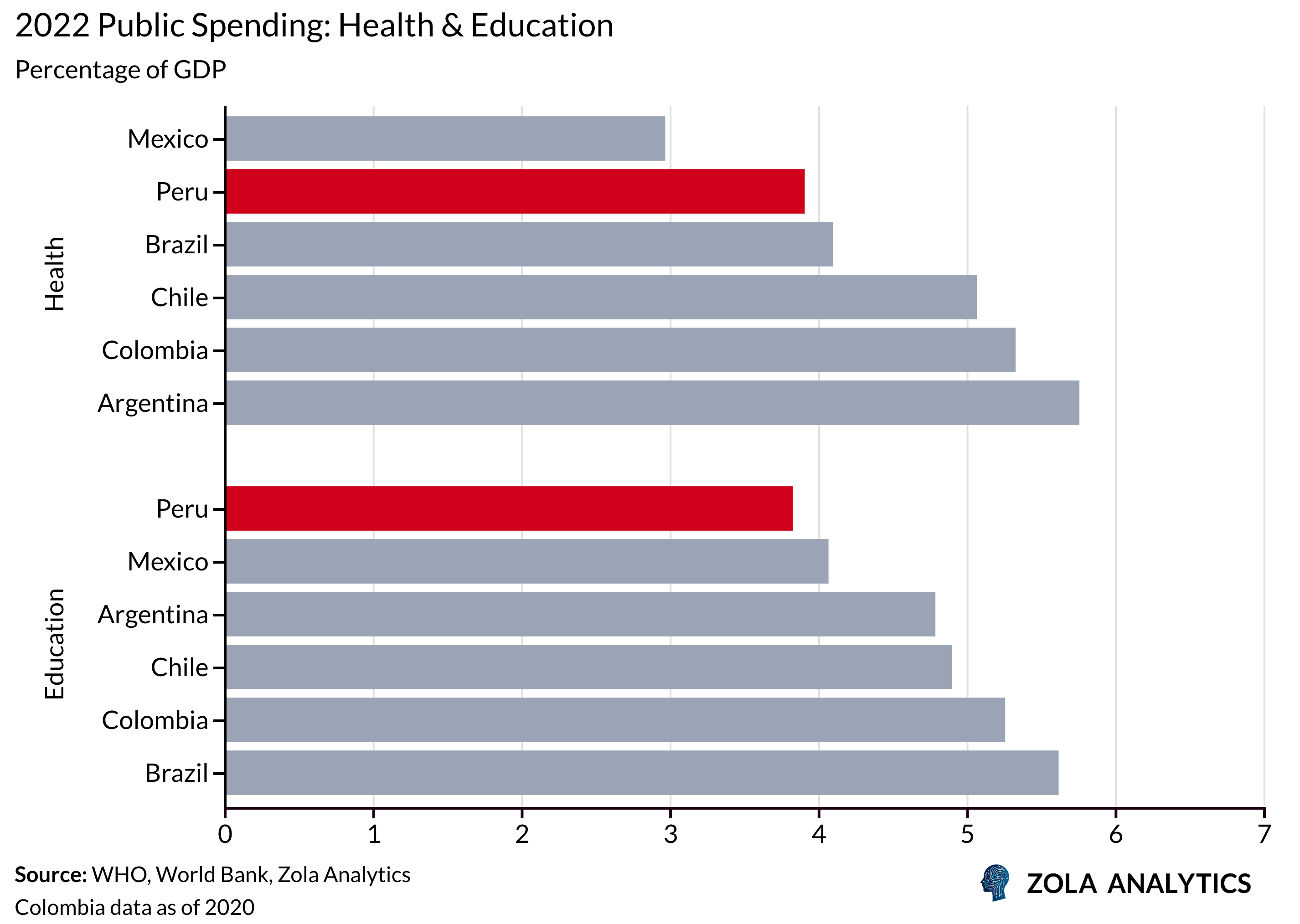
This disconnect is rooted in chronic underinvestment in human capital. Health and education spending remain far below OECD standards.
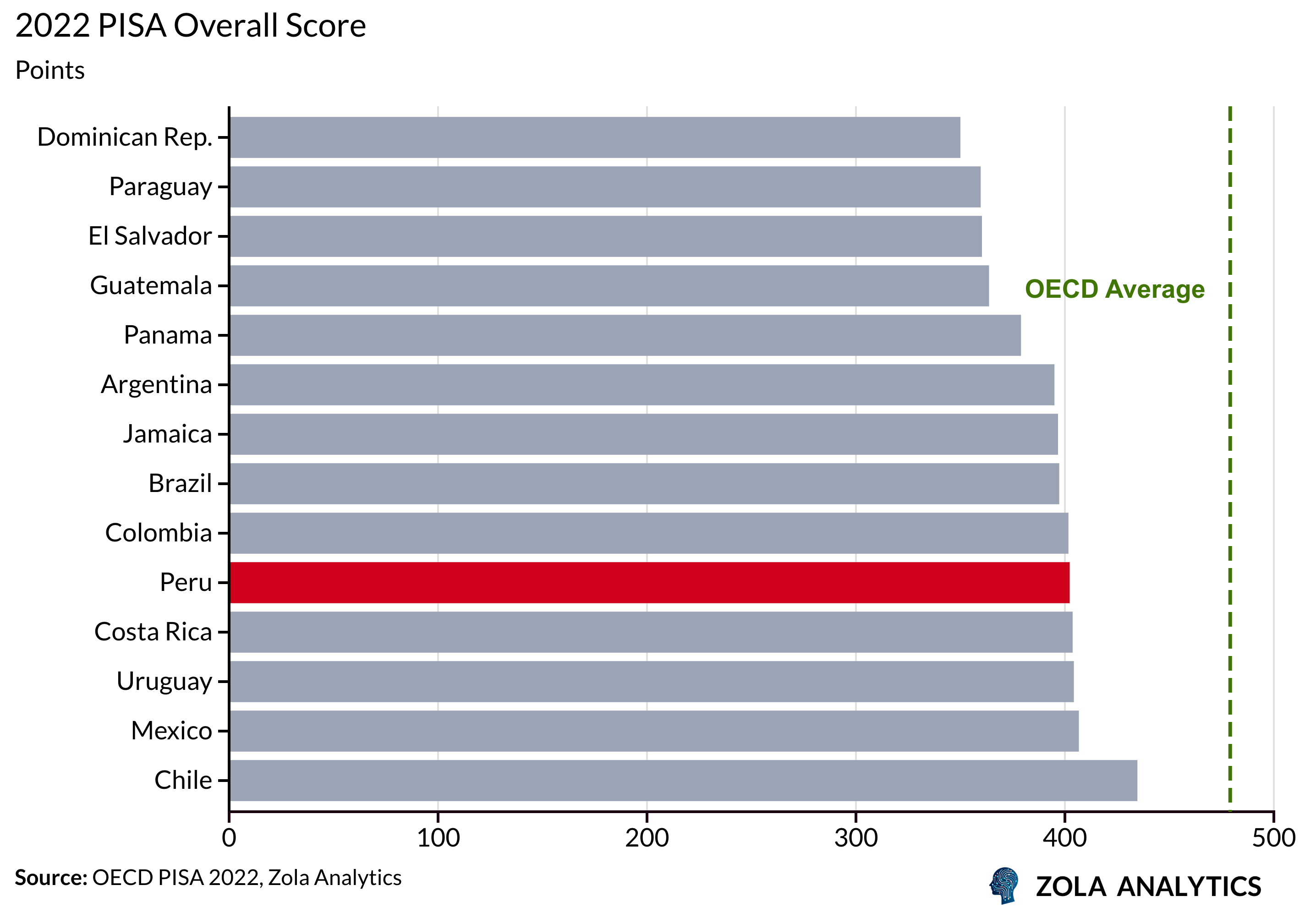
The consequences are visible in Peru's consistently low PISA scores, which place the nation's students at the bottom of regional rankings in mathematics and science.
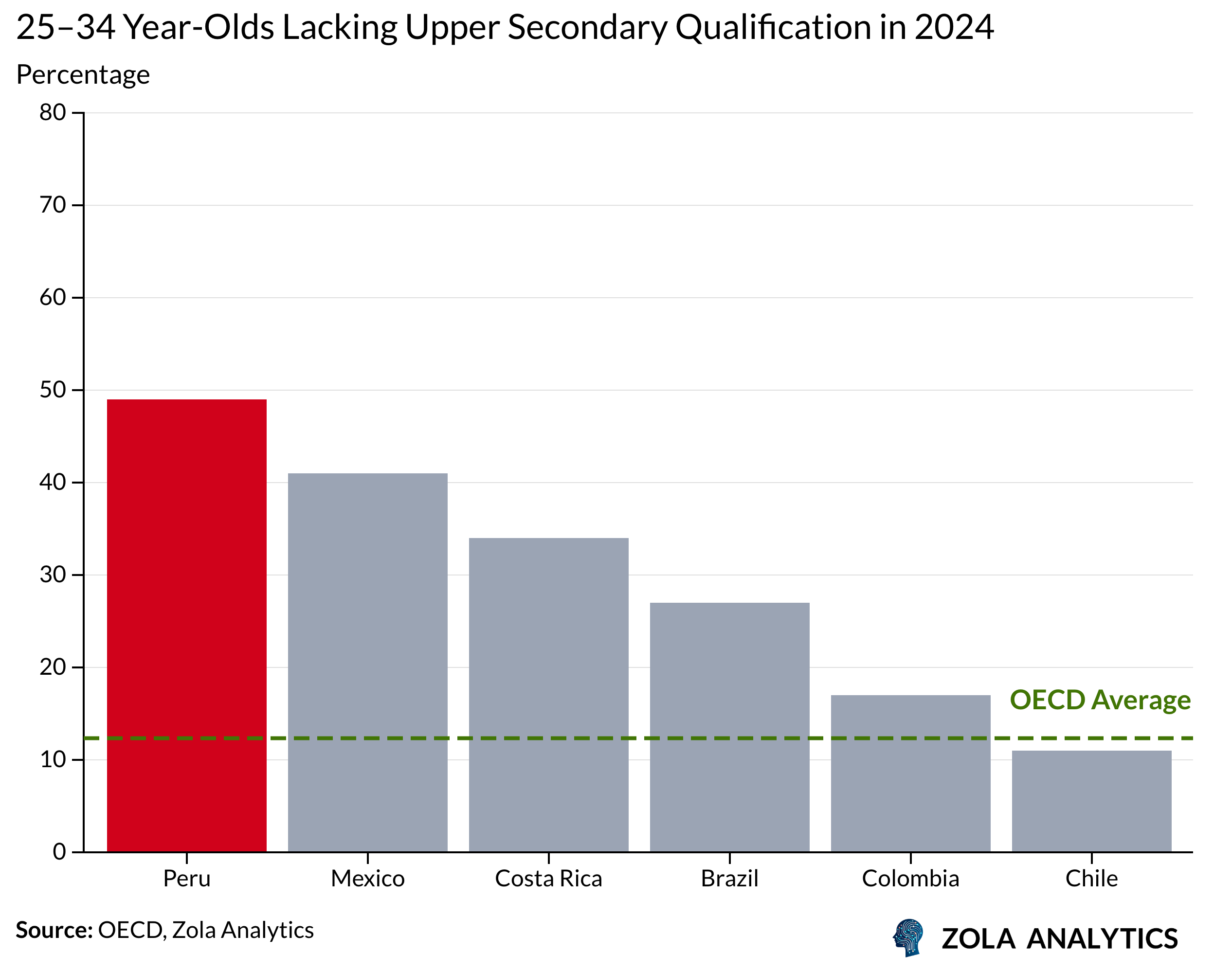
Moreover, while over 85% of adolescents are enrolled in secondary school, the system suffers from a massive completion gap: approximately 49% of Peruvians aged 25 to 34 still lack an upper secondary qualification. This deficit in basic credentials represents a structural ceiling on productivity, a labour force without the foundational skills required for a high-value economy.
Peru’s currency is protected but those who see little benefit from that protection lack the education, the formal employment, and the social protection that would allow them to thrive thanks to currency stability.
A New Strain
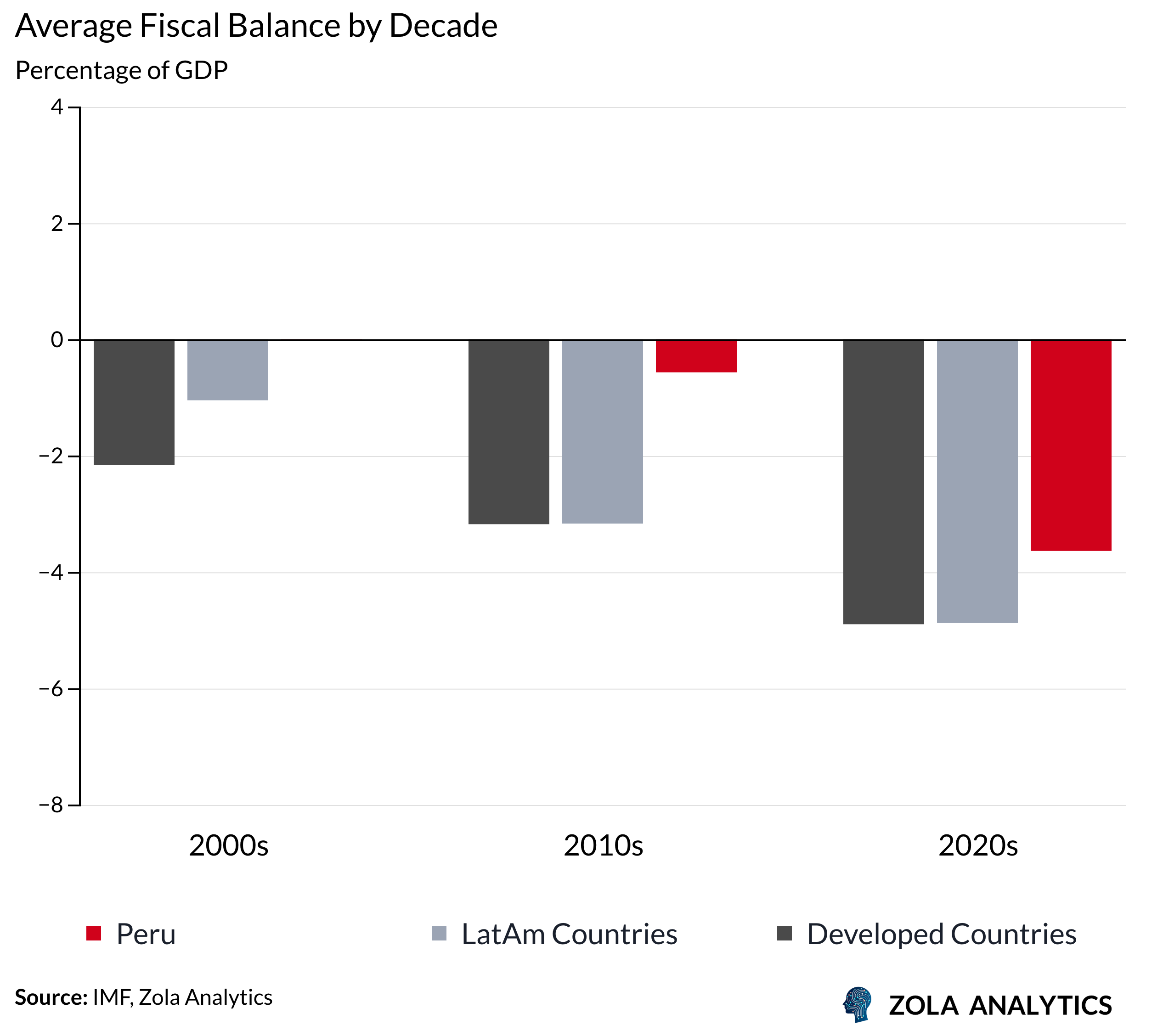
Since 2021, Congress has bypassed technical objections to approve hundreds of laws with a negative fiscal impact totalling approximately USD 12 billion annually. The collapse of traditional parties has left the state vulnerable to populist pressures, and if this trajectory continues, debt levels could double by 2036, eroding the solvency that took decades to build.
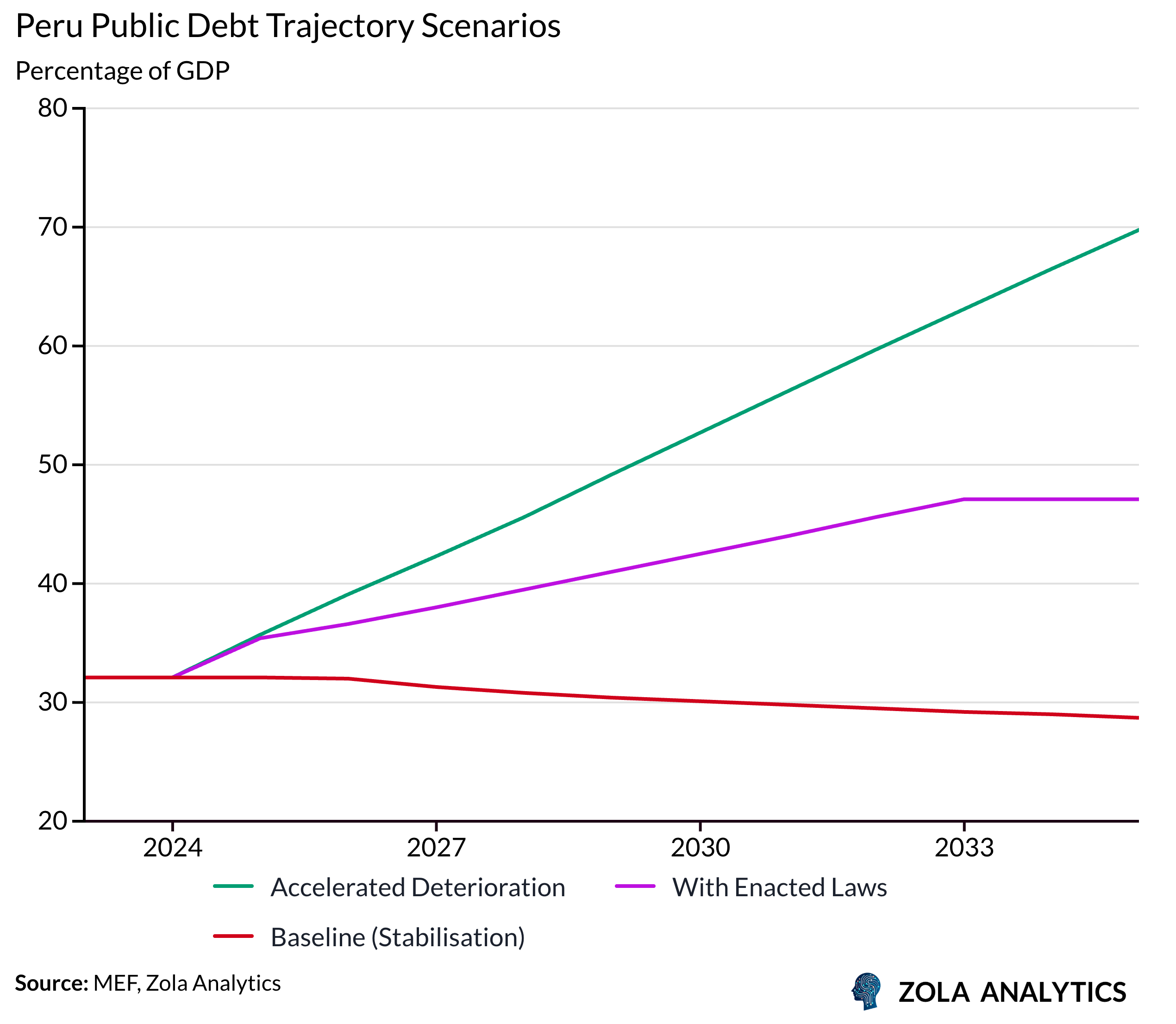
Peru is attempting a political reset ahead of the April 2026 general elections, reintroducing a bicameral Senate to slow impulsive lawmaking and restoring parliamentary re-election to professionalise the legislature. Whether these reforms arrive in time remains uncertain.
Prognosis
Beyond the immediate fiscal threat lies a historic opportunity. As the world's third-largest copper producer and second-largest silver producer, Peru sits at an indispensable node in the supply chains for electric vehicles and the massive data centres required for artificial intelligence. Lithium reserves near the Lithium Triangle add further strategic weight as global demand for battery minerals accelerates.
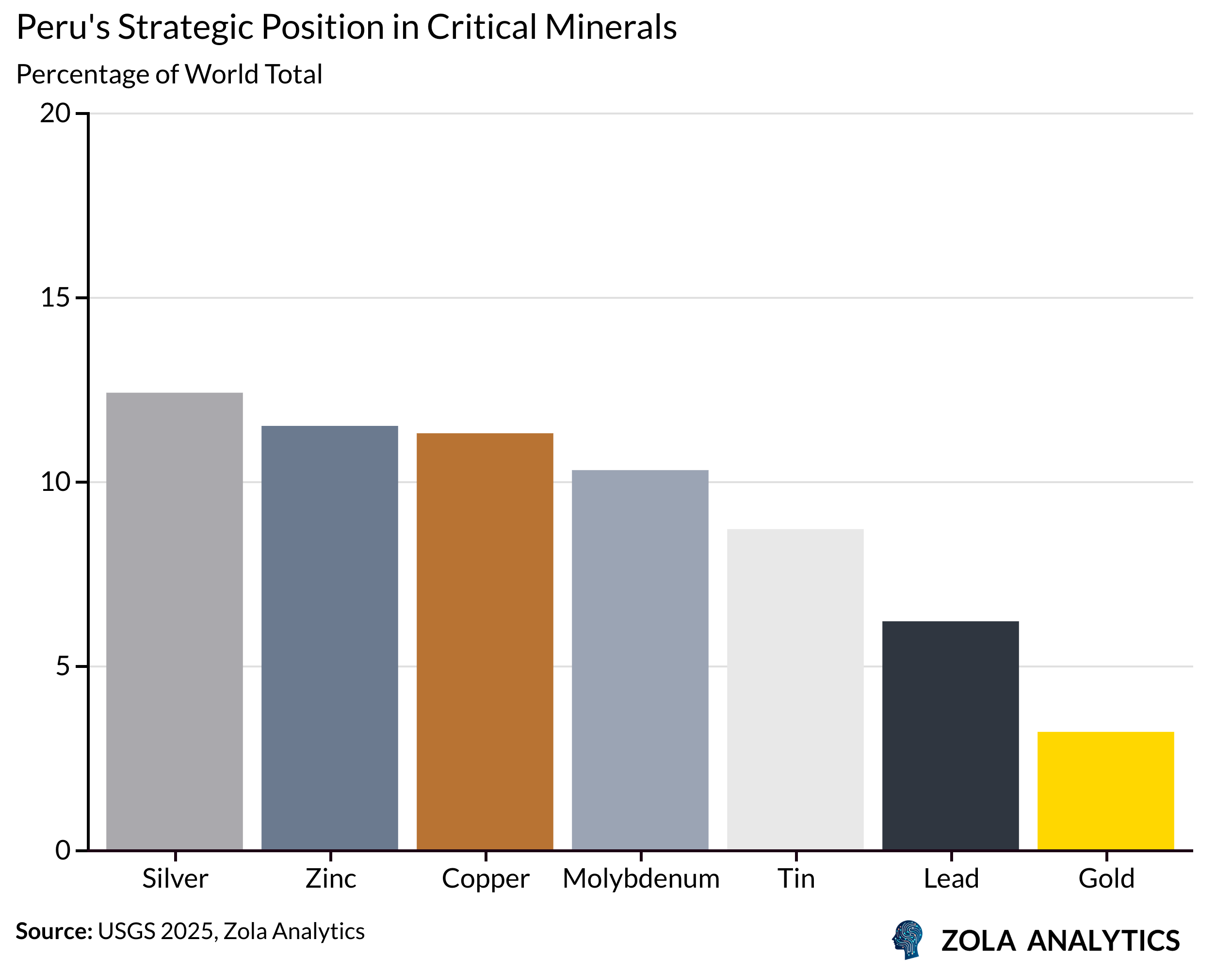
A mining investment pipeline exceeding USD 64 billion awaits deployment. This is wealth on a scale that could transform the social foundations Peru has failed to build: the schools that produce bottom-tier PISA scores, the informal labour market that traps 70% of workers, the health system that leaves families without adequate care. Three decades of monetary stability have not delivered these things. The coming decade of mineral demand could.
Peru has spent thirty years proving it can protect a currency. The challenge now is to build a political system worthy of the monetary fortress it has built, one that keeps desperate prayers a distant memory.